Orthodontics & Cosmetics
What is Align - Bleach and Bond?
Align, Bleach and Bond is a minimally invasive approach to cosmetic dentistry that focuses on improving your smile while preserving as much natural tooth as possible. Instead of jumping straight to veneers or crowns, it uses orthodontics to move your teeth into the right position first, whitening to brighten them, and then bonding to refine the final details. The result can be just as striking as veneers — but with far less risk to your teeth.

"Many dentists love this approach and often choose it for their own teeth. Yes, it takes a bit of time and patience but usually gives a very nice result with minimal to no tooth damage."
How does it work?
The Align, Bleach and Bond approach follows three simple steps:
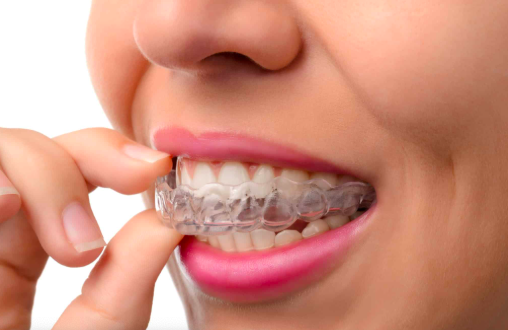
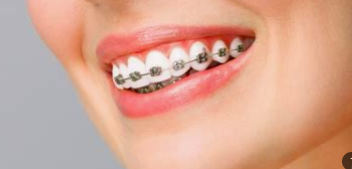
- Align — Braces or clear aligners (such as Invisalign) are used to straighten your teeth and correct spacing or crowding. This creates a better foundation for any cosmetic improvements and can dramatically change the appearance of your smile on its own.
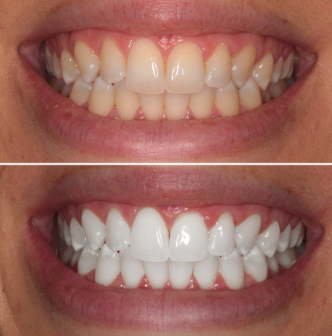
- Bleach — Once your teeth are in the right position, professional whitening is used to brighten them. Custom-made trays with whitening gel tend to give the most even, controlled result.
- Bond — Finally, small amounts of tooth-coloured composite resin are added to refine edges, close any remaining small gaps, or reshape individual teeth. This is additive dentistry — material is placed onto the tooth rather than drilling it away.
Why is it a good option?
The biggest advantage of Align, Bleach and Bond is that it preserves your natural teeth. Unlike veneers or crowns, which require permanent removal of healthy enamel, this approach works with what you already have:
- No drilling or shaving of healthy teeth in most cases
- The process is largely reversible — bonding can be removed or adjusted without damaging the tooth underneath
- Lower risk of sensitivity, nerve damage, or the need for future root canal treatments
- Often more affordable than a full set of porcelain veneers
- Often costs the same or less than a full set of veneers or crowns from a cheaper place overseas
- Results can look just as natural and attractive as veneers, especially when done well
Who is it suitable for?
Align, Bleach and Bond works best for patients who:
- Have healthy teeth that are crooked, spaced, or slightly uneven
- Want a cosmetic improvement but are concerned about irreversible treatments
- Are young and want to avoid starting a lifelong cycle of veneer replacements
- Have mild to moderate cosmetic concerns rather than severely damaged or discoloured teeth
Are there any limitations?
- Orthodontic treatment takes time — typically several months to over a year depending on the complexity
- Bonding may stain or chip over time and may need touch-ups every few years
- If teeth are very heavily discoloured or structurally damaged, veneers may still be more appropriate
- Requires patience and commitment to wearing aligners or braces
How does it compare to veneers?
| Feature | Align, Bleach and Bond | Non-Prep Veneers | Minimal-Prep Veneers |
|---|---|---|---|
| Tooth preservation | Excellent — no drilling in most cases | Very good — bonded onto the existing enamel with no drilling | Moderate — a thin layer of enamel is removed |
| Reversibility | Mostly reversible | Often reversible — can usually be removed without harming the tooth underneath | Largely irreversible — the enamel removed cannot be replaced |
| Cost | Generally lower overall | Higher upfront cost | Higher upfront cost |
| Treatment time | Longer (months for orthodontics) | Shorter (a few appointments) | Shorter (a few appointments) |
| Longevity of result | Bonding may need touch-ups; alignment is permanent with retainer wear | 10–15+ years before replacement | 10–15+ years before replacement |
| Risk to teeth | Very low | Low — very little tooth structure altered | Moderate — some enamel loss, with a risk of sensitivity and future replacement cycles |
Questions to ask your dentist
- Am I a good candidate for Align, Bleach and Bond?
- How long would the orthodontic phase take for me?
- Could this approach give me a result I would be happy with, or do I genuinely need veneers?
- What would the bonding maintenance look like over time?
When to seek urgent in-person care
If you have severe pain, swelling, fever, trauma, or difficulty swallowing/breathing, seek urgent in-person care.