General
Are dental X-rays really necessary?
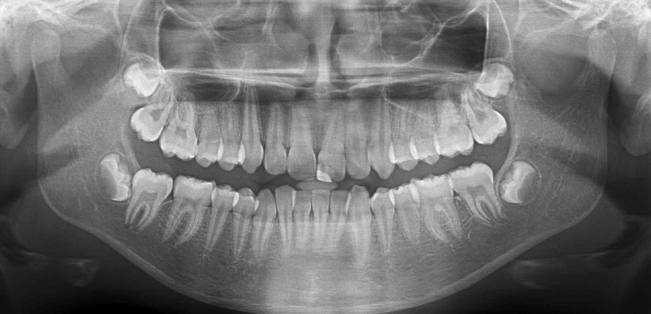
X-rays can be essential because many problems—decay between teeth, bone loss, infections, or hidden cracks—can’t be seen reliably with the naked eye. The goal is to use X-rays only when they change clinical decisions, and to keep exposure as low as reasonably achievable. If you’re unsure, ask what the X-ray is intended to rule in or rule out.
Why this is recommended sometimes
X-rays help detect:
- hidden decay
- bone loss
- infections
- impacted teeth
Understanding the limits of X-rays
It's important to remember that dental X-rays are 2D images of 3D objects. This means they don't always tell the full story. That's why it's not unusual for your dentist to also prescribe a CBCT (Cone Beam Computed Tomography) scan, which gives a detailed 3D view. CBCTs are especially useful when planning implant placement, checking the shape and number of root canals before treatment, and assessing the position of wisdom teeth before extraction.
Common alternatives
- visual exam and photos (limited)
- monitoring when risk is low (not always sufficient)
Risks & long-term considerations
- small radiation exposure; should be justified and minimised
Questions to ask your dentist
- What are you looking for with this X-ray?
- How often do I need them based on my risk?
- Would a CBCT scan give us more information for this treatment?
When to seek urgent in-person care
Acute pain/swelling/fever/trauma needs urgent assessment.