Whitening
Is teeth whitening safe?
For most healthy teeth and gums, whitening can be safe when done properly and with appropriate products. The most common side effects are temporary sensitivity and gum irritation. Whitening won’t change the colour of fillings, crowns, or veneers, so planning matters. If you have untreated decay, gum disease, or significant sensitivity, it’s best to address those first.

"Professional teeth whitening is a tried and tested, safe and very effective way to lift the colour of natural teeth."
Why this is recommended sometimes
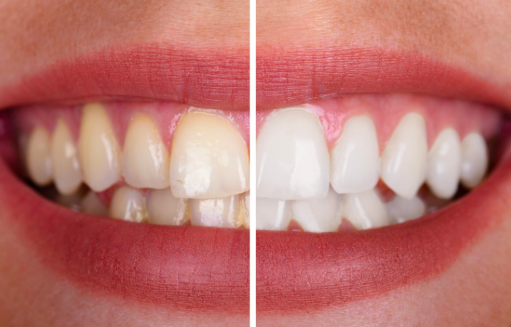
Whitening can brighten natural enamel and boost confidence.
The three main methods
There are three common ways to whiten your teeth:
- Whitening strips – Over-the-counter strips you apply at home. Convenient and affordable, but results can be uneven, especially if teeth are crowded or overlapping.
- Home whitening with custom-made trays – Your dentist takes impressions and makes trays that fit your teeth precisely. You fill them with whitening gel and wear them for a set time each day. This tends to give the most controlled, even result.
- In-office (laser) whitening – A stronger whitening agent is applied in the dental chair, often activated by a light or laser. Results are faster but sensitivity can be more noticeable.
Common alternatives
- professional cleaning first
- addressing stains from diet/smoking habits
- cosmetic options (only when appropriate)
Risks & long-term considerations
- sensitivity
- uneven results if fillings, bonding, crowns or veneers are present (whitening only works on natural tooth enamel)
Questions to ask your dentist
- Will my fillings, bonding, crowns or veneers match after whitening?
- What strength/product is appropriate for me?
- Which method is best for my teeth?
When to seek urgent in-person care
Unusual swelling, severe pain, or allergic reactions should be assessed urgently.