Airway Dentistry
What is airway dentistry and why does it matter?
Airway dentistry is a growing area of dental care that looks at how the shape and development of your mouth, jaw, and teeth can affect your ability to breathe properly — especially during sleep. Problems like snoring, sleep apnoea, chronic mouth breathing, and even teeth grinding can all be connected to airway issues. Understanding this link can change the way dental treatment is planned and help protect your overall health.

"Snoring is often dismissed as just an annoying habit, but it can sometimes be a sign that the airway is not working as well as it should during sleep. In both children and adults, breathing problems at night can affect sleep quality and long-term health. Dentists are often well placed to recognise the early signs of airway restriction because of the way we examine the mouth and jaws."
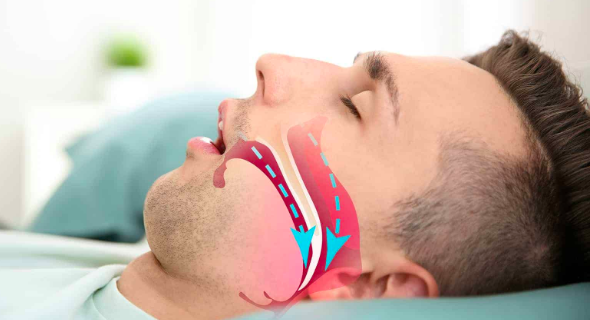
What is airway dentistry?
Airway dentistry focuses on the relationship between the structures in your mouth — your jaw, tongue, palate, and teeth — and how well you can breathe, particularly at night. A narrow jaw, a tongue that sits too far back, or an underdeveloped palate can all contribute to a restricted airway.
Why does it matter?
Breathing is something most people take for granted. But when the airway is partially blocked during sleep, it can lead to:
- Snoring and sleep apnoea (where breathing repeatedly stops and starts during sleep)
- Poor sleep quality, daytime tiredness, and difficulty concentrating
- Teeth grinding (bruxism), which can crack and wear down teeth over time
- High blood pressure and increased cardiovascular risk
- In children, it can affect facial growth, behaviour, and learning
How is it connected to dental treatment?
A dentist trained in airway awareness may look beyond just your teeth and consider:
- Whether your jaw is narrow or set back, which could contribute to airway restriction
- Whether orthodontic treatment (braces or aligners) might improve both alignment and breathing
- Whether a mandibular advancement device (a custom-made mouthguard that holds the lower jaw forward) could help with snoring or mild sleep apnoea
- Whether grinding and clenching are symptoms of an underlying breathing problem rather than just stress
What should I look out for?
Signs that airway issues might be affecting you include:
- Loud snoring or being told you stop breathing during sleep
- Waking up feeling tired even after a full night’s sleep
- Chronic mouth breathing (especially in children)
- Frequent headaches, jaw pain, or worn-down teeth
- A partner noticing gasping or choking during sleep
Questions to ask your dentist
- Could my grinding be related to a breathing problem?
- Would a sleep study be worth considering?
- Are there dental appliances that could help with my snoring or sleep apnoea?
- Could orthodontic treatment improve my airway as well as my smile?
When to seek urgent in-person care
If you or a family member experiences severe daytime sleepiness, witnessed breathing pauses during sleep, or waking up gasping for air, speak to a doctor or sleep specialist promptly.