Understanding Treatment
Dental Implants Explained: Titanium vs Zirconia, Risks, Costs & What to Expect
Dental implants can be an excellent solution for missing teeth, but they're not for everyone. Here's what you should know before committing.
If you're researching dental implants, you've probably seen them described as the "gold standard" for replacing missing teeth. In many cases, they are — but they are also surgery, and they require healing, maintenance, and careful planning.
This guide explains what dental implants involve, the difference between titanium and zirconia, and what you should realistically expect before deciding.
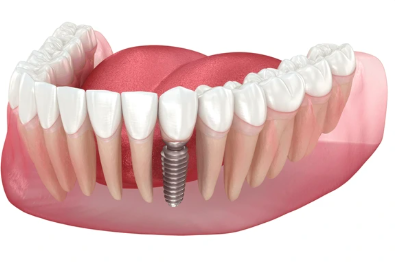
What Is a Dental Implant?
A dental implant is a small post placed into the jawbone to replace the root of a missing tooth. Once the bone heals around it (a process called osseointegration), a crown, bridge, or denture is attached.
The full process usually takes several months because healing time is essential for long-term stability.
Titanium vs Zirconia Implants: What's the Difference?
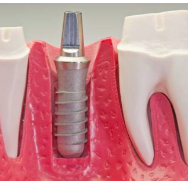
Titanium Implants
- The most widely used material worldwide
- Strong long-term evidence
- Suitable for simple and complex cases
- Highly predictable healing
Titanium remains the most studied and versatile option.
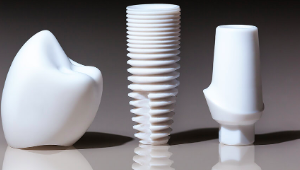
Zirconia (Ceramic) Implants
- White and metal-free
- Sometimes preferred for aesthetic reasons
- Fewer long-term studies compared with titanium
- Often requires very careful case selection
Zirconia can be an excellent option in the right case — but it isn't automatically "better." The best choice depends on your bone, bite, gum thickness, and overall health.
What Can Dental Implants Replace?
Implants can support:
- A single crown
- A bridge replacing several missing teeth
- A denture that clips onto implants
- A full arch of fixed teeth
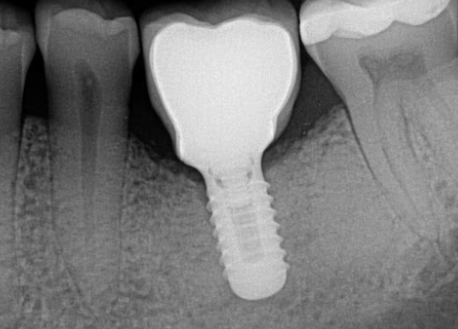
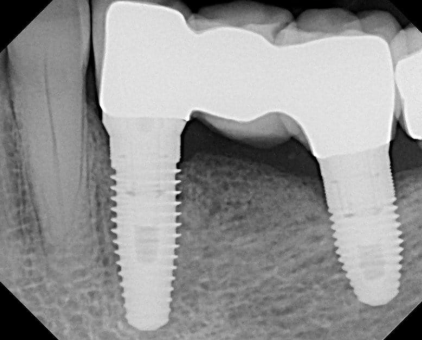
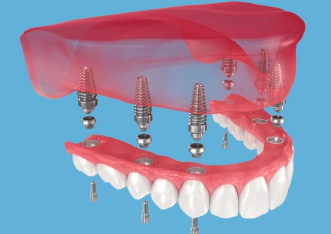
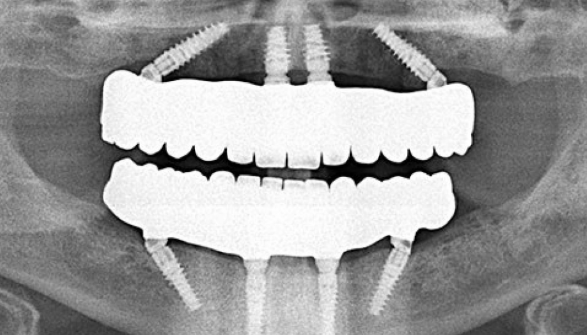
They are extremely versatile — but complexity increases as the number of missing teeth increases.
Do You Need Bone Grafting or a Sinus Lift?
If there isn't enough bone to support an implant, additional procedures may be needed.
Bone Grafting
Bone can be rebuilt before implant placement to create a stable foundation.
Sinus Lift
In the upper back jaw, the sinus may limit bone height. A sinus lift adds bone to allow safe implant placement.
These procedures are common and often predictable — but they increase cost, healing time, and surgical stages.
Who Is Not a Good Candidate for Dental Implants?
Healing is everything with implants.
Higher-risk factors include:
- Smoking
- Poorly controlled diabetes
- Active gum disease
- Certain medications that affect bone healing
If your overall health is stable and optimised, implant success rates are generally very good. But implants depend on biology — not just mechanics.
How Long Do Implants Last?
Implants can last many years — even decades — but they are not "fit and forget."
They require:
- Excellent daily cleaning
- Professional maintenance
- Bite stability
- Monitoring for inflammation (peri-implantitis)
Questions You Should Ask Before Treatment
- Am I truly a good candidate?
- Do I need grafting?
- Why are you recommending this material?
- What is the full timeline?
- What happens if it fails?
- What maintenance is required long term?
You should never feel rushed into implant treatment. It is reasonable to seek a second opinion.