Preventive Care
Dental Care: Simple Habits That Protect More Than Just Your Teeth
The most effective dental care happens at home, between appointments. Here are the basics that really matter.
Oral health is not separate from general health. The mouth is a living ecosystem connected to the cardiovascular system, immune system, airway, and gut.
Prevention isn't just about avoiding fillings — it's about supporting long-term systemic wellbeing.
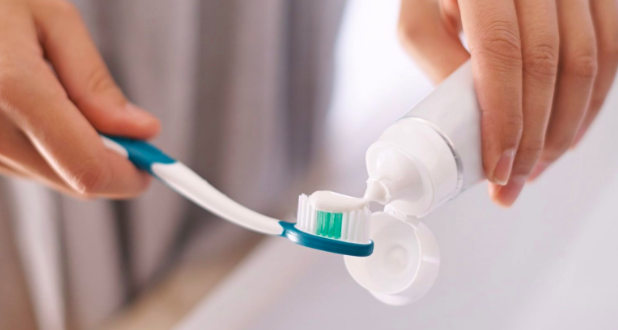
Brushing
The basics matter more than complicated techniques:
- Brush twice daily for two minutes
- Choose a toothpaste suited to your individual needs — there are many formulations designed for sensitivity, gum health, enamel support, or whitening
- Spit, don't rinse — leaving a light layer of toothpaste allows active ingredients to continue working
- Replace your toothbrush (or electric brush head) every 3 months
- Electric toothbrushes generally remove more plaque than manual brushing
Plaque is not just a cosmetic issue — it is a bacterial biofilm that drives inflammation. Reducing it reduces inflammatory burden in the body.
Consistency matters more than perfection.
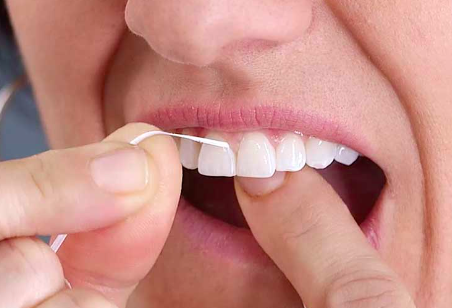
Cleaning Between Teeth
Brushing alone cleans only about 60% of tooth surfaces. The areas between the teeth are where gum disease often begins.
- Clean between teeth daily
- Floss, interdental brushes, or water flossers can all be effective
- The best method is the one you will use consistently
- Ask your dentist or hygienist to show you proper technique
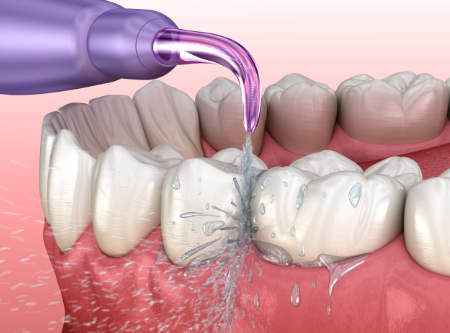
Bleeding gums are not "normal." They are a sign of inflammation. Chronic gum inflammation has been linked in research to cardiovascular disease, diabetes dysregulation, and adverse pregnancy outcomes. Managing it locally supports systemic health.
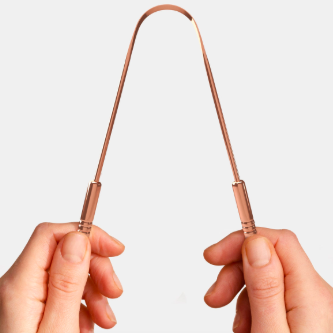
Tongue Cleaning
The tongue is a major reservoir of oral bacteria.
- Gently clean your tongue once daily using a tongue scraper or toothbrush
- Light pressure is sufficient — avoid aggressive scraping
Reducing bacterial load on the tongue can help with bad breath and overall microbial balance.
Mouthwash: Protect the Microbiome
The mouth contains a complex microbiome that plays an important role in nitric oxide production — a molecule essential for blood vessel health and blood pressure regulation.
Frequent use of strong antibacterial mouthwashes can disrupt this ecosystem. Studies have shown that regular use of certain antiseptic rinses may reduce beneficial nitrate-reducing bacteria and have been associated with measurable increases in blood pressure.
Sterilising the mouth is not the goal. Balance is.
Mouthwash should be used selectively and purposefully — not as a routine substitute for proper mechanical cleaning.
Xylitol & Oral Probiotics: Supporting Balance
Beyond brushing and flossing, certain adjuncts may help support a healthier oral environment.
Xylitol gum (especially used after meals) can:
- Stimulate saliva flow
- Help neutralise acids
- Reduce levels of decay-causing bacteria over time
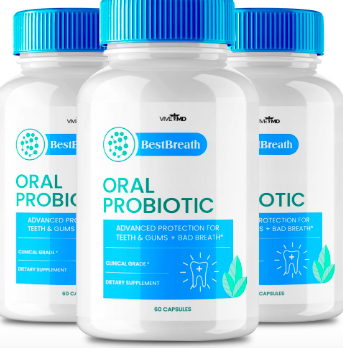
Oral probiotics may help rebalance the microbiome in people prone to gum inflammation, recurrent decay, or bad breath. While research is still evolving, targeted probiotic strains show promising support for microbial balance rather than bacterial elimination.
These are not replacements for brushing — but they can be useful supportive tools.

Hydration Matters
Saliva is one of the body's most important natural defence systems.
It:
- Buffers acids
- Washes away food debris
- Contains antimicrobial proteins
- Supports remineralisation of enamel
Staying well hydrated throughout the day helps maintain healthy saliva flow. Frequent sipping of plain water — especially between meals — is one of the simplest and most powerful habits for oral health.

Dry Mouth: A Hidden Risk
Many common medications — including antidepressants, antihistamines, blood pressure medications, and others — can reduce saliva production.
Chronic dry mouth significantly increases the risk of:
- Tooth decay
- Gum disease
- Fungal infections
- Tooth wear
If you experience dry mouth:
- Sip water regularly
- Consider xylitol gum to stimulate saliva
- Avoid frequent sugary or acidic snacks
- Discuss saliva-supporting products with your dentist
- Ensure regular professional monitoring
For patients with reduced saliva, prevention becomes even more important — because the natural protective system is compromised.

Diet
Tooth decay is driven more by frequency of sugar exposure than total quantity.
- Limit sugary snacks and drinks between meals
- Water and milk are safest for teeth
- Acidic drinks (including fruit juices and fizzy drinks) can erode enamel
- Wait at least 30 minutes after acids before brushing
Frequent sugar exposure feeds acid-producing bacteria and shifts the oral ecosystem toward inflammation.

Regular Check-ups
Dental visits are not just about "checking for cavities."
- Your recall interval should be tailored to your risk profile
- Early detection keeps treatment simpler and less invasive
- Professional cleaning helps manage biofilm in areas that are difficult to access
A healthy mouth reduces chronic inflammatory load — and that matters for long-term health.
The Bigger Picture
The goal is not to eliminate bacteria. The goal is to maintain a balanced oral ecosystem.
Small, consistent daily habits support not just your teeth — but cardiovascular health, immune resilience, metabolic balance, and overall wellbeing.
Your mouth is part of your body. Treat it that way.